Archives
- 2026-06
- 2026-05
- 2026-04
- 2026-03
- 2026-02
- 2026-01
- 2025-12
- 2025-11
- 2025-10
- 2023-07
- 2023-06
- 2023-05
- 2023-04
- 2023-03
- 2023-02
- 2023-01
- 2022-12
- 2022-11
- 2022-10
- 2022-09
- 2022-08
- 2022-07
- 2022-06
- 2022-05
- 2022-04
- 2022-03
- 2022-02
- 2022-01
- 2021-12
- 2021-11
- 2021-10
- 2021-09
- 2021-08
- 2021-07
- 2021-06
- 2021-05
- 2021-04
- 2021-03
- 2021-02
- 2021-01
- 2020-12
- 2020-11
- 2020-10
- 2020-09
- 2020-08
- 2020-07
- 2020-06
- 2020-05
- 2020-04
- 2020-03
- 2020-02
- 2020-01
- 2019-12
- 2019-11
- 2019-10
- 2019-09
- 2019-08
- 2019-07
- 2019-06
- 2019-05
- 2019-04
- 2018-07
-
For the first time we provide evidence for COMT Val
2019-10-18

For the first time, we provide evidence for COMT Val158Met modulation of long-term fear extinction in humans, evident both in cortical (LPP) and autonomic (fear bradycardia) components of the conditioned fear response. We further found that the initial acquisition of fear is related to dispositional
-
br Materials and methods br Results Recombinant N
2019-10-18
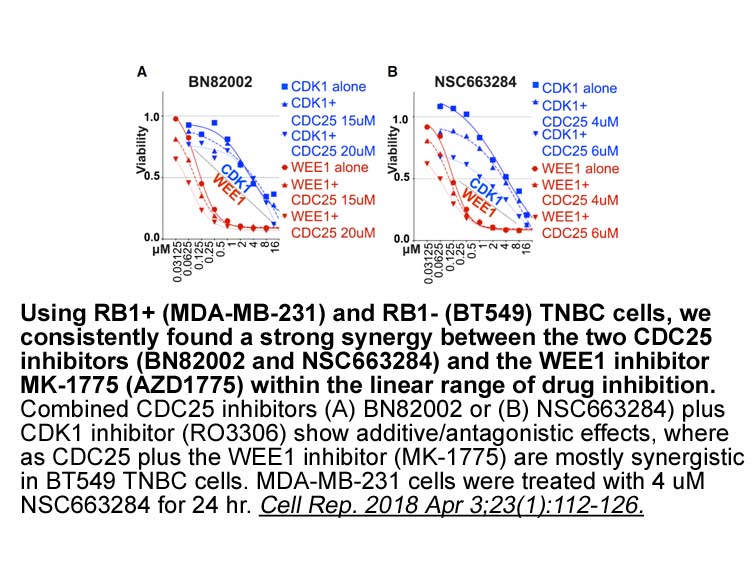
Materials and methods Results Recombinant, N-terminally His6-tagged vCPH was purified to near homogeneity via a modification of the reported procedure and its identity confirmed by intact protein mass spectrometry (Supplementary Fig. 1). As reported, vCPH catalysed two hydroxylations of a PAPK
-
The different diagnostic outcomes of the two assays are also
2019-10-18
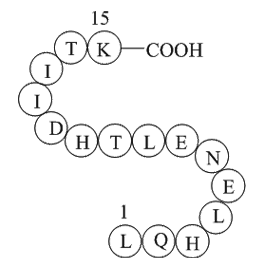
The different diagnostic outcomes of the two assays are also dependent on the used stimuli. The QuantiFERON-CMV assay targets CD8 + T SMER 3 kinase by using peptides whereas the T-Track-CMV targets CD4+ and CD8 + T cells by stimulation with two viral proteins [18]. In our study, a specificity of 1
-
CPI-455 br Materials and methods br Results br Discussion On
2019-10-18
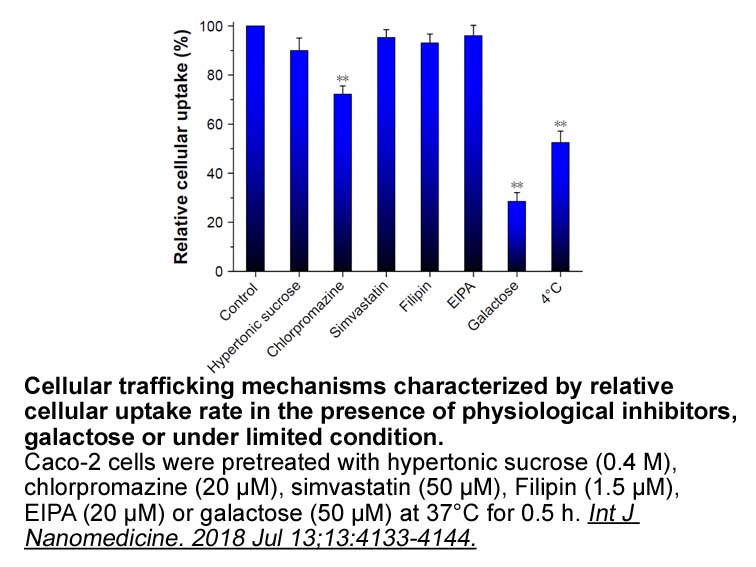
Materials and methods Results Discussion One novel finding in our study is that CK2 inhibition preserved axon function and structure in WM against ischemia. Consistent with these findings, oligodendrocytes, astrocytes, myelin, and CPI-455 were found to express CK2α. The robust expression p
-
br In order to determine the physiological
2019-10-18
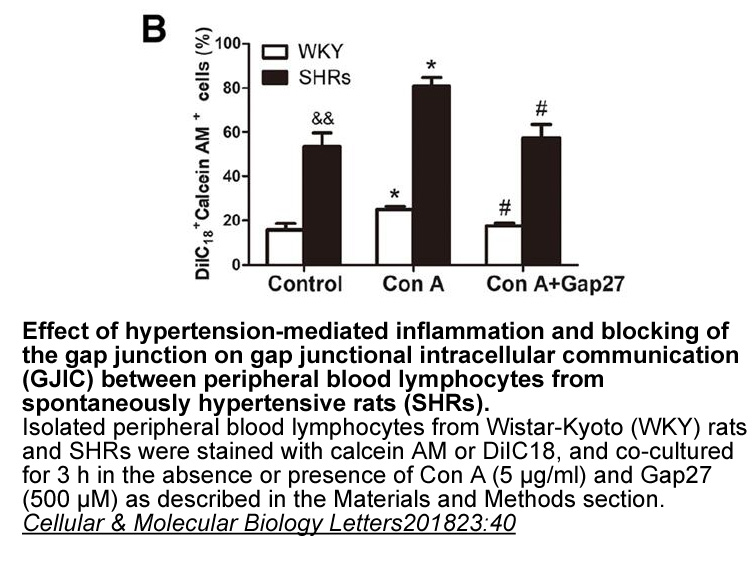
In order to determine the physiological roles of WT (wild type) EWSR1, Dr. Lee\'s group established a conventional Ewsr1 KO mouse [38]. Since then, the Ewsr1 KO (−/−) mouse model has successfully been utilized to decipher many important in vivo roles of EWSR1 (Fig. 1). EWSR1 deficiency alters m
-
The main advantage of exploiting paper sludges
2019-10-18

The main advantage of exploiting paper sludges as sources of cellulose-derived energy and chemicals in comparison to other lignocellulose substrates is their amenability, which is associated with an extensive pulping process that removes the majority of the lignin and exposes MRT68921 pathway fibers
-
Dysfunction of the ubiquitin proteasome system causes
2019-10-17
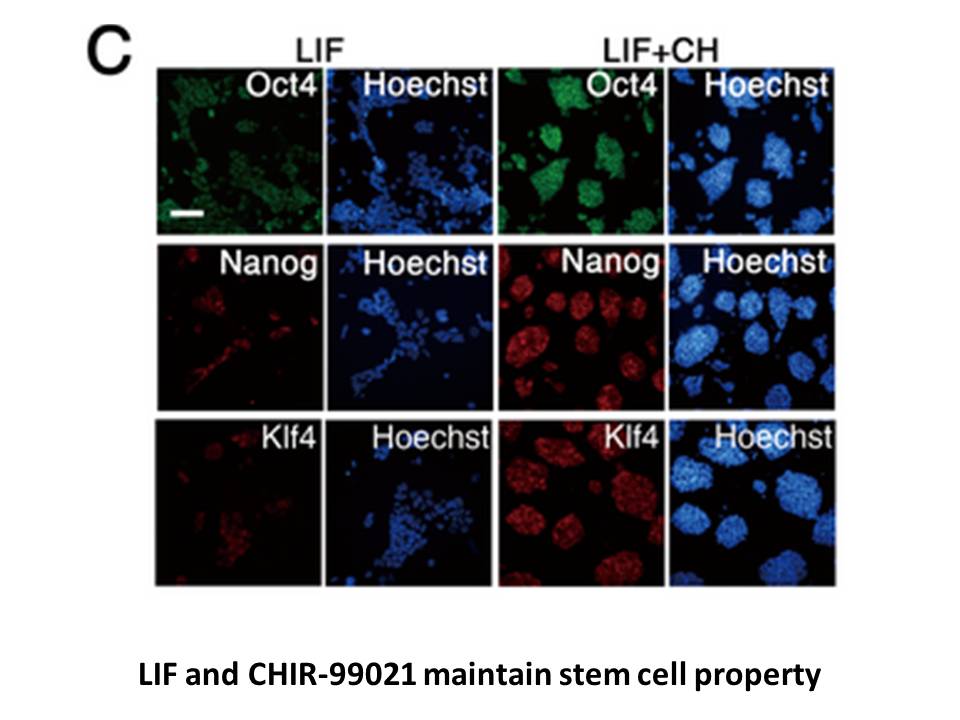
Dysfunction of the ubiquitin-proteasome system causes abnormal organelle morphology and impairs sperm formation and maturation steps resulting in male infertility [[7], [8], [9]]; this indicates that ubiquitination is essential for spermatogenesis and sperm function during fertilization. β-catenin i
-
In our current work we have undertaken liquid
2019-10-17
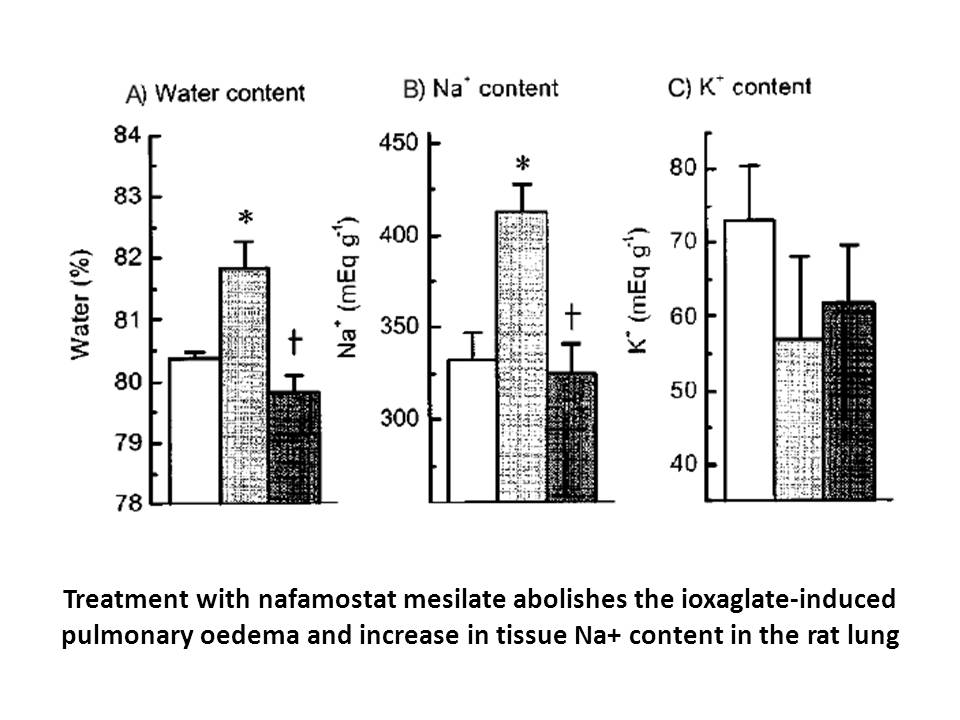
In our current work, we have undertaken liquid phase combinatorial synthesis methods for the synthesis of 1,2,5-trisubstituted benzimidazole derivatives as hDHODH inhibitors. Synthesised lots of people were also screened by molecular docking studies over the reported hDHODH structure. The synthesise
-
Based on the deduced amino
2019-10-17
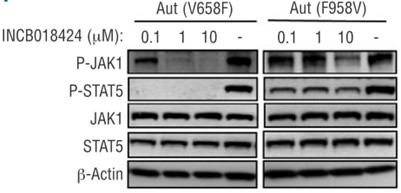
Based on the deduced amino FIPI sequence of the catalytic subunit of rG3DH, we could find sequence features that are highly conserved in FAD-harboring dehydrogenase, which include FAD binding motif and sequential cysteine residues in Cysteine-rich region. Several dehydrogenases share similarity of
-
Nogo-66 (1-40) Our results suggest that formation
2019-10-17
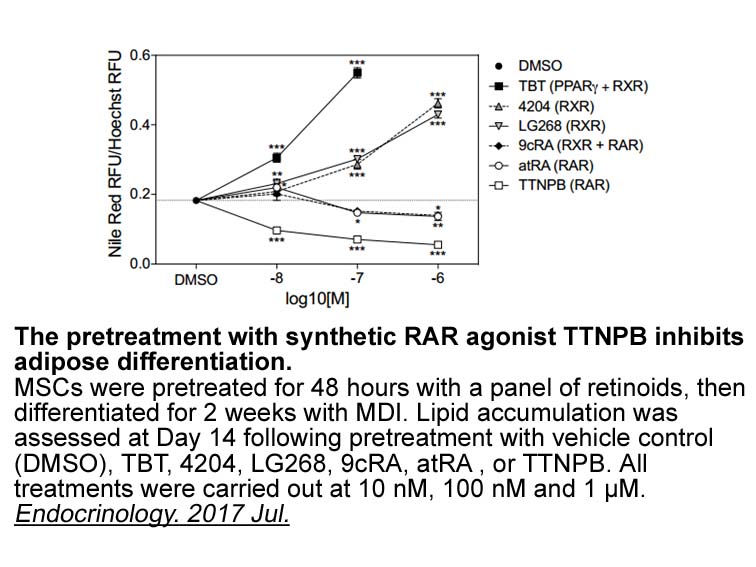
Our results suggest that formation of DDR1b clusters may be important for and precede receptor phosphorylation. Indeed, while DDR1b clustering was readily detected (by YFP signal) 30 min after collagen administration, phosphorylated DDR1 species at Y513 (present in the IJXM) were evident after 4 h o
-
Interestingly some drugs have been shown
2019-10-17
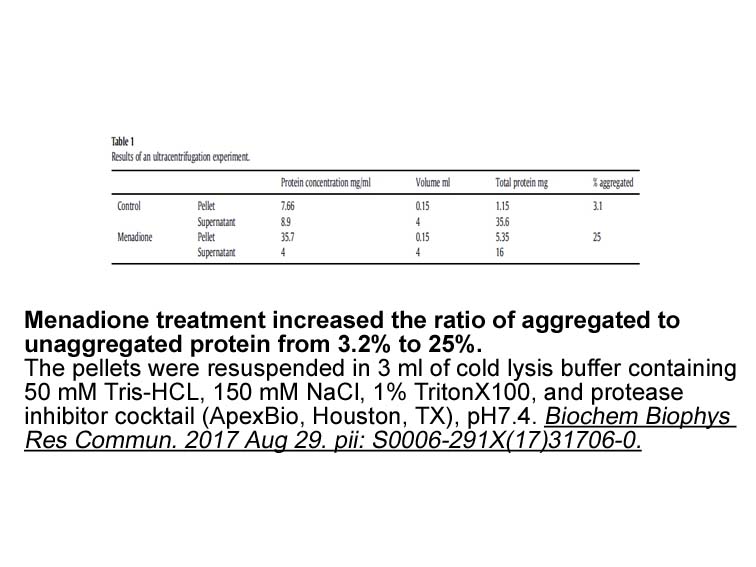
Interestingly, some drugs have been shown to be effective in the regulation of cytokine production (such as IL-2, IL-10, IL-27, IL-35, IL-37 and transforming growth factor-β, TGF-β) and, therefore, having a key role in the management of certain inflammatory-based clinical conditions (Banchereau et a
-
The present study found a
2019-10-17
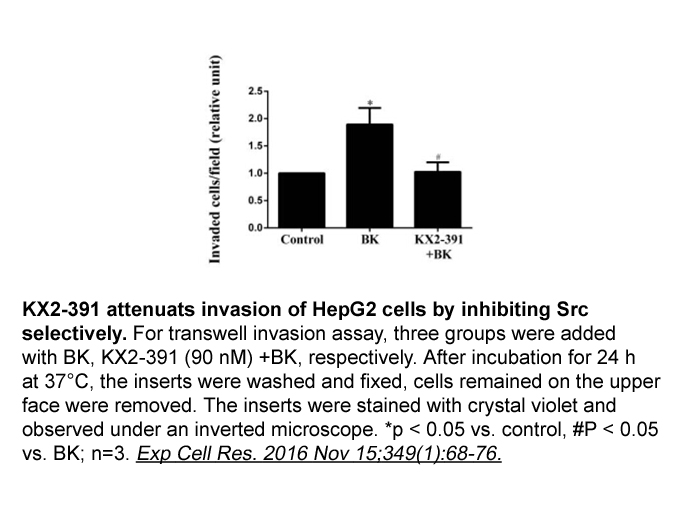
The present study found a significant negative correlation between miR-152-3p and CDK8 expression in human HCC tissues. We also validated that CDK8 was a direct target of miR-152-3p, and overexpression of miR-152-3p inhibited proliferation and induced apoptosis in HCC cp-690550 pathway by suppressi
-
br Introduction Proteins therapeutic can
2019-10-17
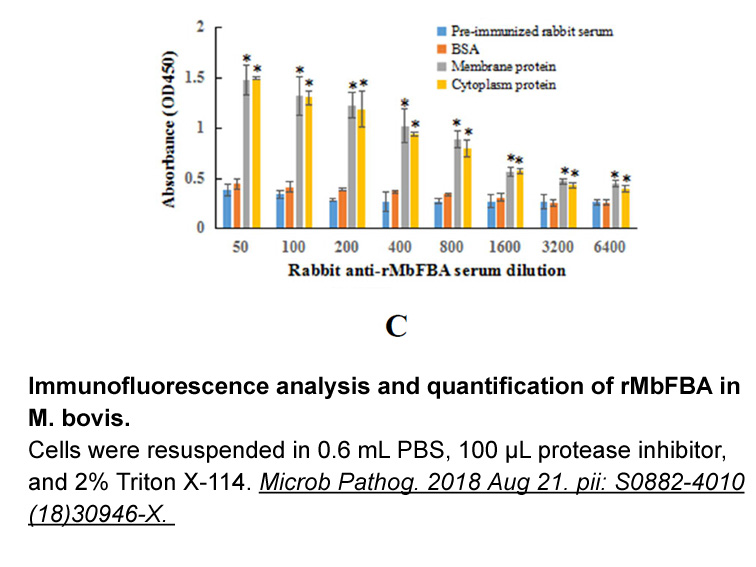
Introduction Proteins therapeutic can be defined as proteins that are either naturally produced in the body or created in the laboratory and introduced into the patient with the aim of improving or curing a pathological condition. They are usually acquired from either microbial protease inhibitor
-
Table shows the comparison results of
2019-10-17
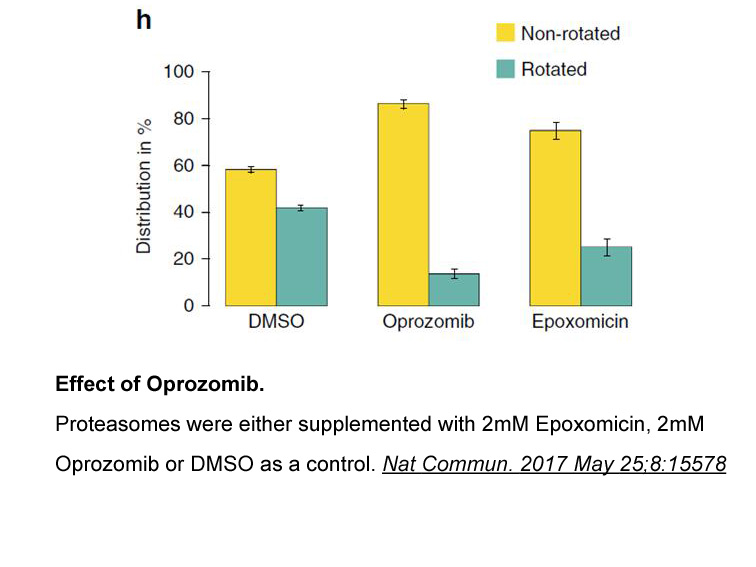
Table 2 shows the comparison results of error detection rate of each software-based CFC technique. Each version of benchmark is injected 10000 errors. Even though the injected errors are randomized in spite of their classifications, the large number of injected errors guarantees that all types of CF
-
Axitinib mass Several reasons may explain that other studies
2019-10-17

Several reasons may explain that other studies using PDE-5-Is yielded negative or contradictory results [30], [31], [32]. Lee [30] applied 50mg sildenafil to seven patients with liver cirrhosis. NO and cGMP in the hepatic Axitinib mass significantly increased, hepatic and pulmonary resistance decr
11646 records 678/777 page Previous Next First page 上5页 676677678679680 下5页 Last page