Archives
-
It is interesting that SEC significantly inhibited cell
2022-09-02
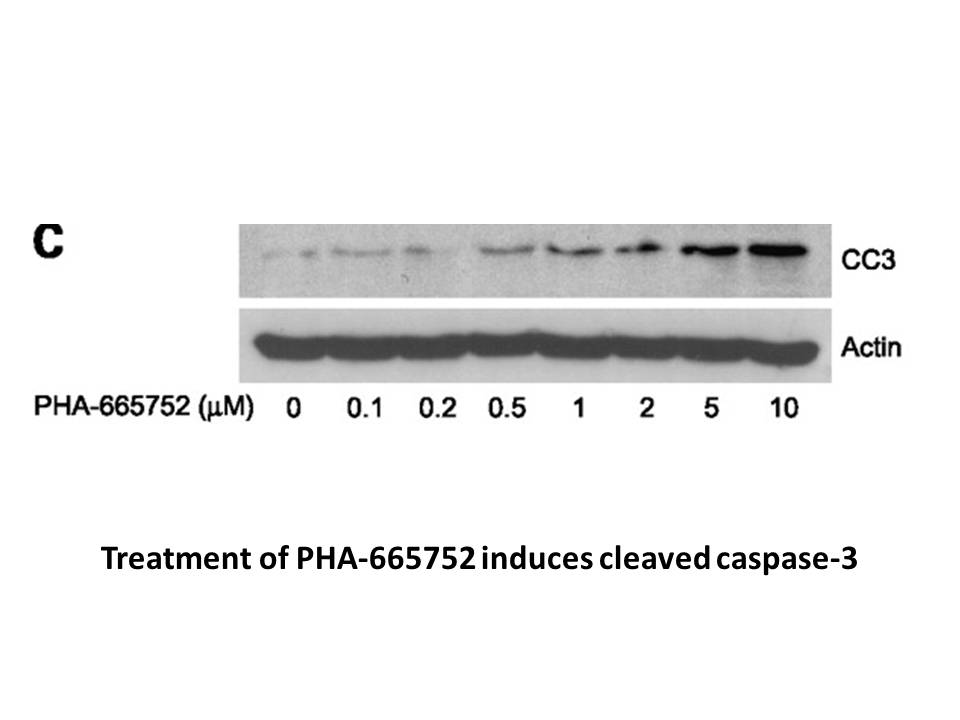
It is interesting that SEC significantly inhibited cell migration and EMT in PC3 cells expressing a low RKIP level and HEK293T RKIP−/− cells, while had no effect on HEK293T RKIP+/+ cells. These observations can be interpreted that the RKIP-ANXA7 association may block SEC-induced ANXA7 GTPase activat
-
Lopinavir After establishing improved GSNOR potency some of
2022-09-02
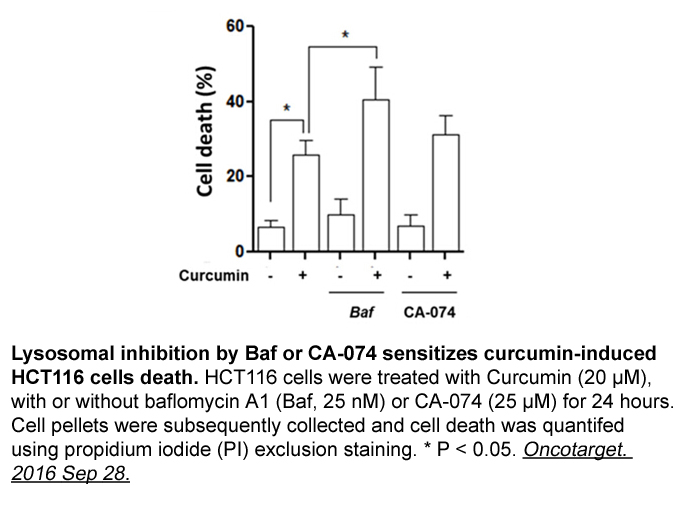
After establishing improved GSNOR potency, some of the potent inhibitors were further evaluated for microsomal stability and CYP inhibition studies (). Majority of the tested analogs revealed high metabolic stability in human and rat liver microsomes, and moderate to low stability in mouse liver mic
-
Lactate LA the end product of aerobic
2022-09-02
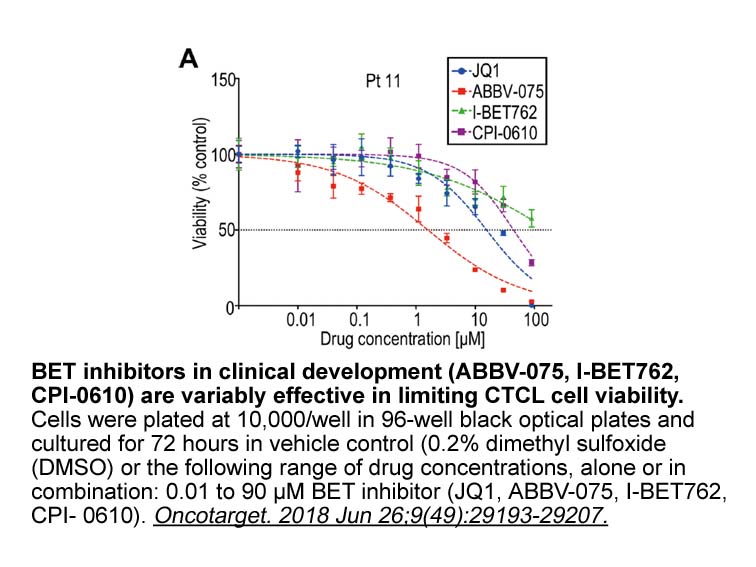
Lactate (LA), the end product of aerobic glycolysis, has been long neglected and seen as a byproduct until recently the findings for its important role in global gene transcription, cancer progression, functional polarisation of immune UNC669 sale and the sustenance of stem cells [[7], [8], [9]]. L
-
Because of its excellent GPR potency good hERG selectivity a
2022-09-01
Because of its excellent GPR119 potency, good hERG selectivity and favorable rat t, MRS1523 was scaled-up and further profiled. The synthetic protocols described in , were both suitable for a multi-gram scale synthesis of compound . An off-target screen was performed against an extensive panel of
-
Several investigators including ourselves have previously sh
2022-09-01
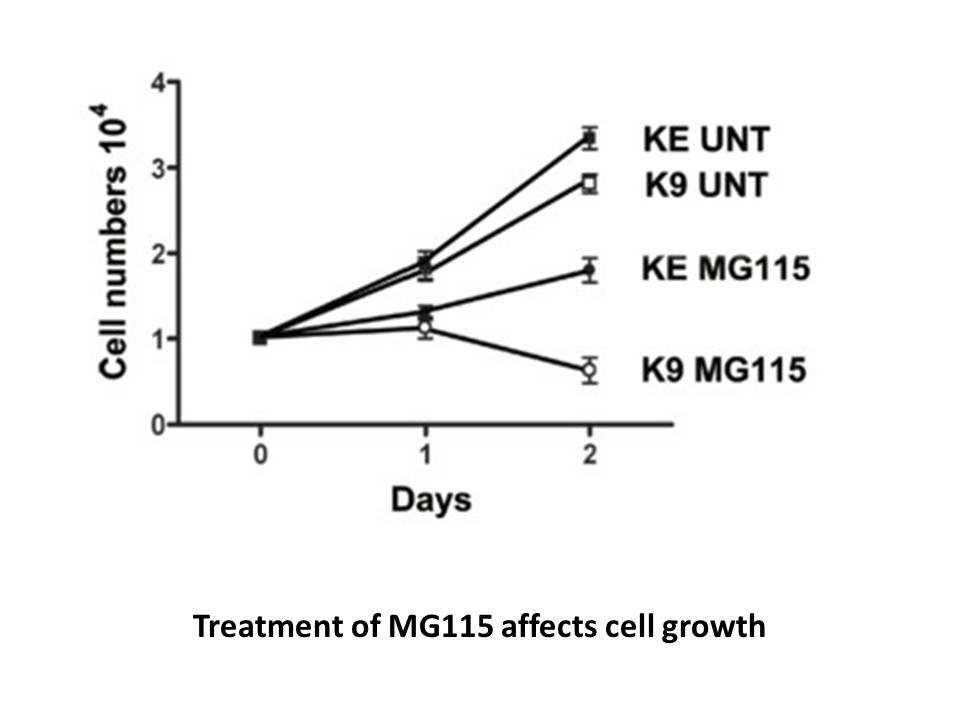
Several investigators including ourselves have previously shown, that allogeneic HLA-DPB1 class II-alleles are powerful leukemia rejection Safingol sale for CD4 T-cell therapy following allogeneic hematopoietic stem cell transplantation (Herr et al., 2017, Rutten et al., 2008, Stevanovic et al., 20
-
br Materials and methods br Results
2022-09-01

Materials and methods Results Discussion A synoptic review of these cases will be given. In Case 1 the process presented in a photodistributed fashion in a 79-year-old woman; while the infiltrate was atypical, it was non-effacing with polyclonal molecular studies. The disease eventually re
-
Kern et al observed an overall improvement
2022-09-01
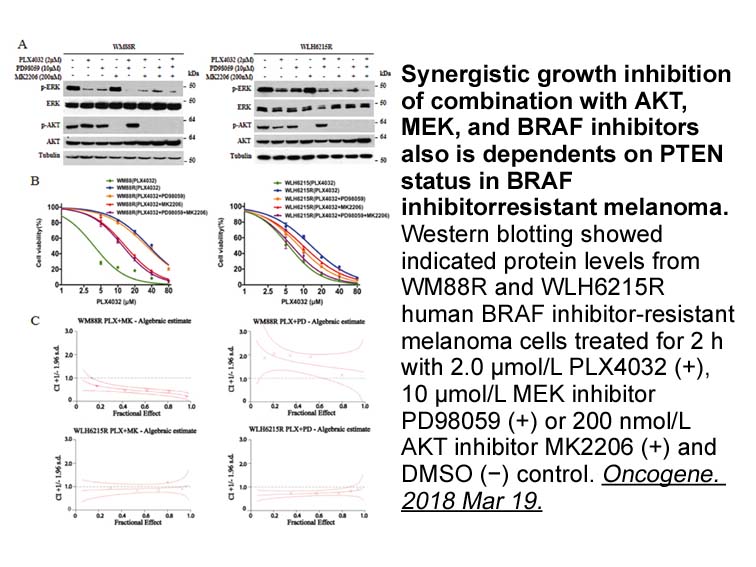
Kern et al observed an overall improvement in behaviors typical for autism during TR. They used the Childhood Autism Rating Score (CARS), to determine the intensity of the change and found lower CARS values after 3 (t(21) = 2.73, p but myelin basic protein comparison of differences in QoL improvemen
-
br Origin of the vertebrate hexokinase gene family Multiple
2022-09-01
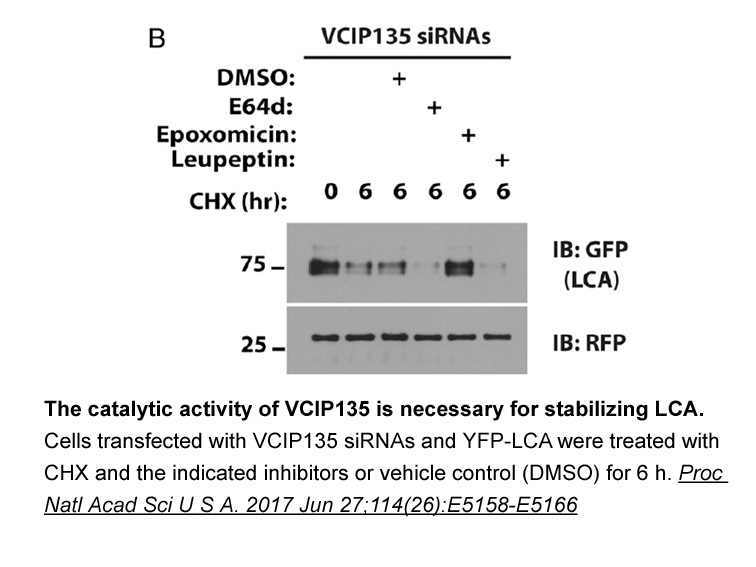
Origin of the vertebrate hexokinase gene family Multiple hexokinases have been found in vertebrates, plants and yeast (Wilson, 1995, Cárdenas et al., 1998). A hexokinase in both vertebrates and yeast has, unfortunately, been named glucokinase. The sharing of the name glucokinase has suggested to
-
Apoptosis a form of programmed cell death is a
2022-09-01
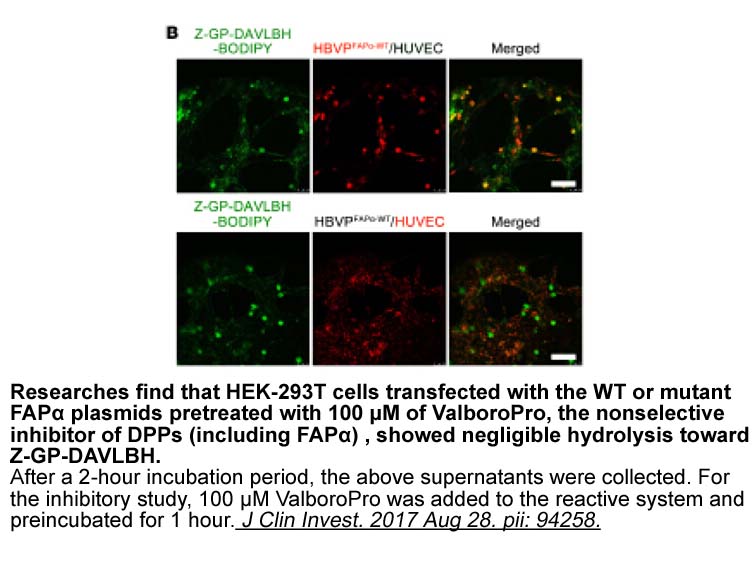
Apoptosis, a form of programmed cell death, is a critical component in maintaining homeostasis and growth in all tissues and plays a significant role in immunity and cytotoxicity [54,55]. Although GR are expressed in all immune cells, the physiological outcomes of GR activation are highly cell type-
-
Until recently the mechanism of how
2022-09-01
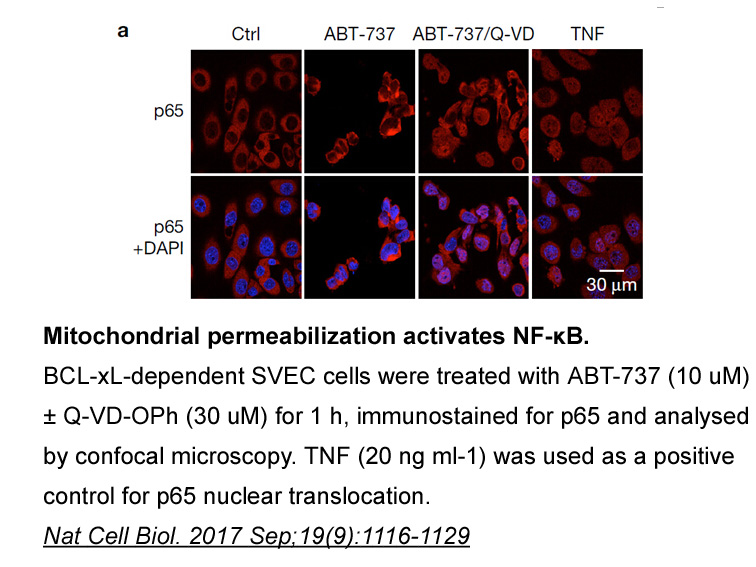
Until recently the mechanism of how GSMs shifted γ-secretase cleavage was poorly understood. Today, building on the sequential cleavage model developed by Ihara and colleagues [14], there is evidence that GSMs act as processivity enhancers, and iGSMs as inhibitors of processivity [120]. At least for
-
Since our new compound Fex could be a new FXR
2022-09-01
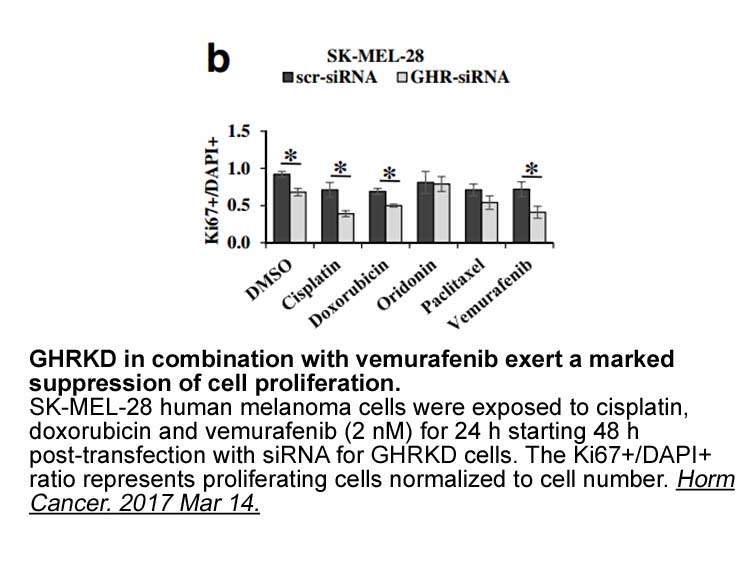
Since our new compound Fex-3 could be a new FXR ligand, we try to demonstrate that Fex-3 was an intestinal-restricted FXR agonist which only activated FXR in the intestine not in the liver or other organs. Initially, we investigated this in Caco-2 membrane transport with transwell experiments. From
-
The PK and the tissue
2022-09-01
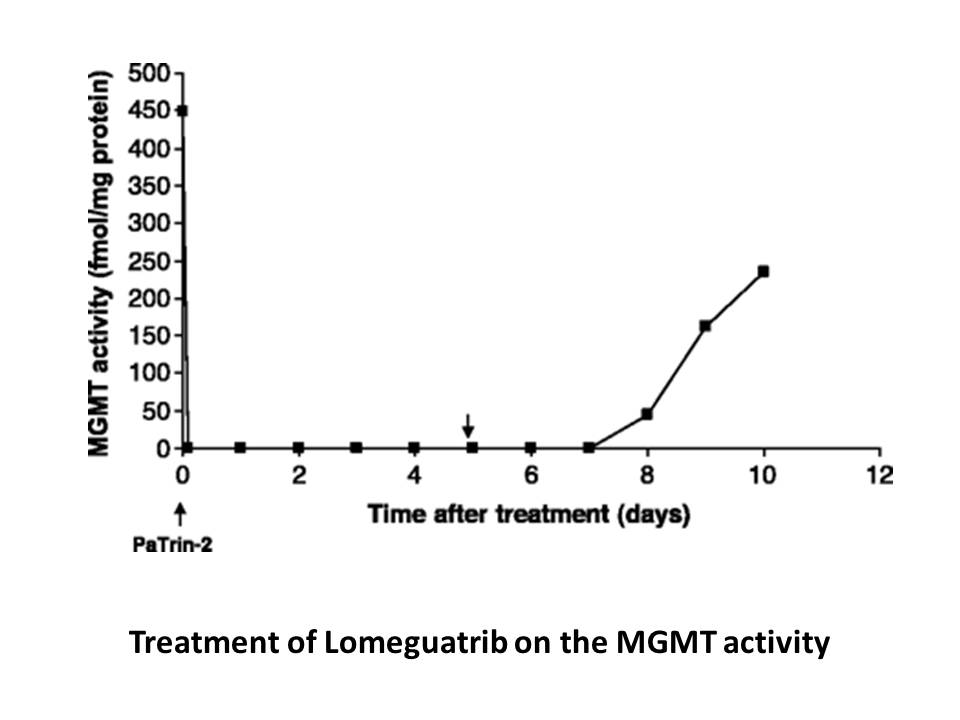
The PK and the tissue distribution profiles of 15k, 15j, 14d and 2 (Table 8) in male ICR mice were assessed. 15k, 15j, 14d all exhibited prolonged half-lives and improved plasma exposure. 15k achieved the highest concentration (15.45 μg/mL) in plasma among four compounds. The observation that 15j (S
-
Several small molecules such as erastin and RSL are
2022-09-01
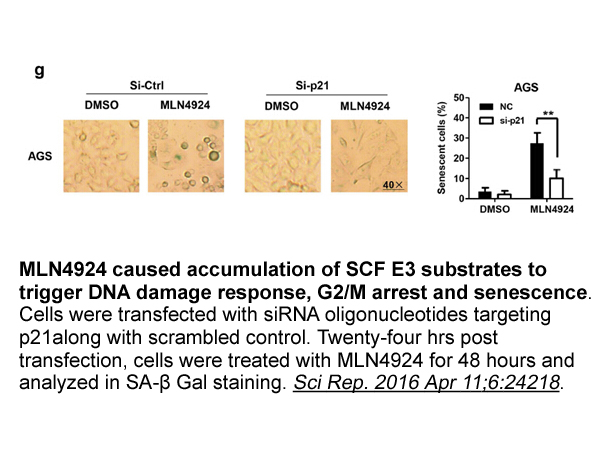
Several small molecules, such as erastin and RSL3, are reported to induce ferroptosis in both normal and cancer 4E1RCat [21,22]. We confirmed that erastin-induced growth inhibition is an ideal ferroptosis model for cardiomyocytes. The erastin inhibits the growth of H9c2 cells in a Fe-dependent mann
-
The RAS RAF MEK ERK pathway also
2022-09-01
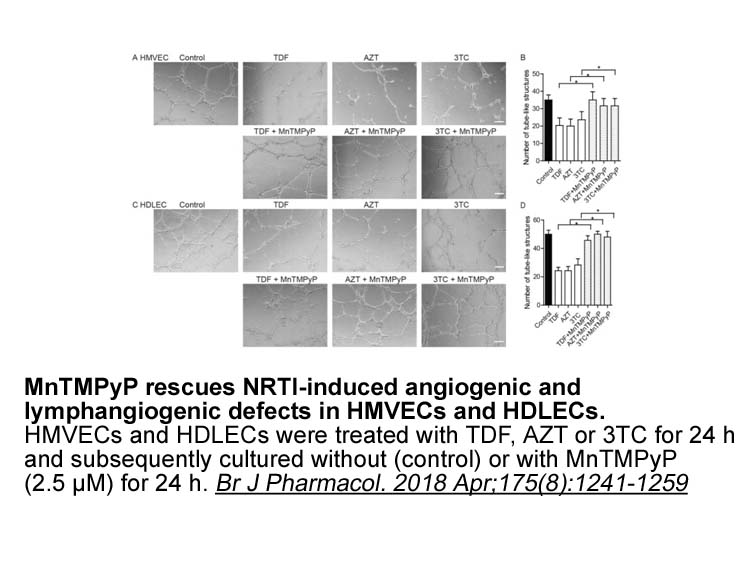
The RAS/RAF/MEK/ERK pathway (also known as the MAPK/ERK pathway) is one of the most important signaling pathways in PDAC. Activation of the MAPK/ERK pathway promotes PDAC growth and apoptosis resistance in response to gemcitabine [43,44]. We previously demonstrated that inhibition of GPX4 can overco
-
br The signal of ferroptosis ROS
2022-09-01
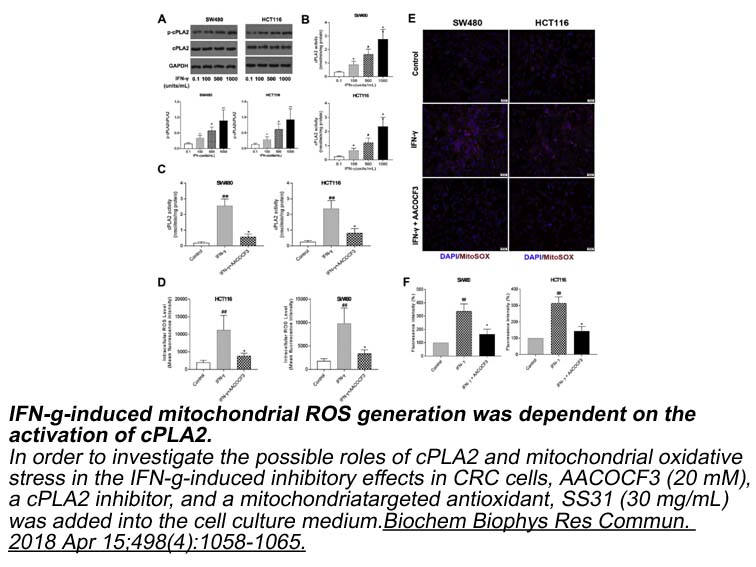
The signal of ferroptosis ROS generated by extracellular or intracellular stimuli play a fundamental role in cell and tissue injury in a variety of disease states [47]. Ferroptosis is generally considered as a type of ROS-dependent regulated necrosis [48]. Intracellular iron accumulation and lipi
3767 records 118/252 page Previous Next First page 上5页 116117118119120 下5页 Last page